
language

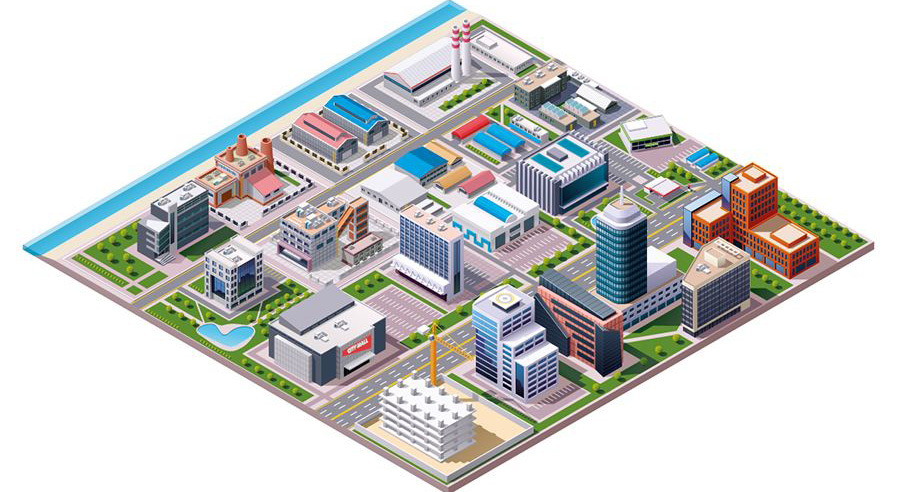
The overall solution of smart city is to make full use of the Internet of Things, Internet, cloud computing, high-performance computing, intelligent science, etc. Emerging technological means to intelligently perceive, interconnect, process and coordinate related activities and needs in the life and work of urban residents, business development and government functions.
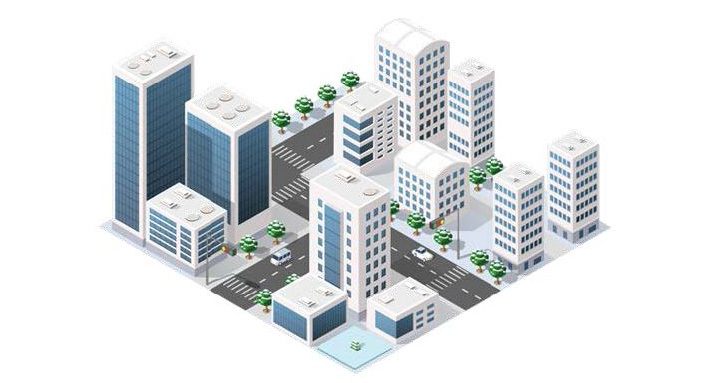
Smart buildings are using the Internet of Things, mobile communication, big data, cloud computing, artificial intelligence and other technologies to redefine the building space in a digital way, and integrate various building intelligent systems that lacked connectivity, interoperability, and coordinated and synchronized work in the past. Together, we can narrow the distance between people, people and things, and things, and reinterpret people's cognition, touch and experience of smart buildings.
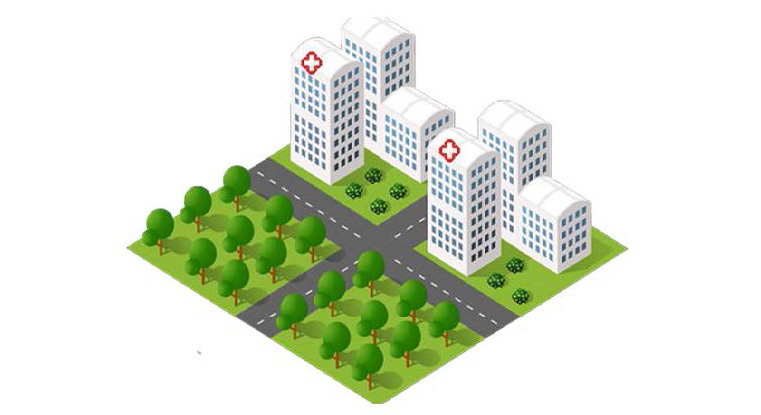
Smart healthcare digitally upgrades the physical space of hospitals through technologies such as IoT, mobile internet, big data, cloud computing and AI, breaking through the status quo that traditional smart hospitals are independent of each other and difficult to coordinate, and comprehensively improving the management and service capabilities of hospitals , to help reduce hospital operating costs, improve service response efficiency, alleviate doctor-patient conflicts, and improve hospital safety.
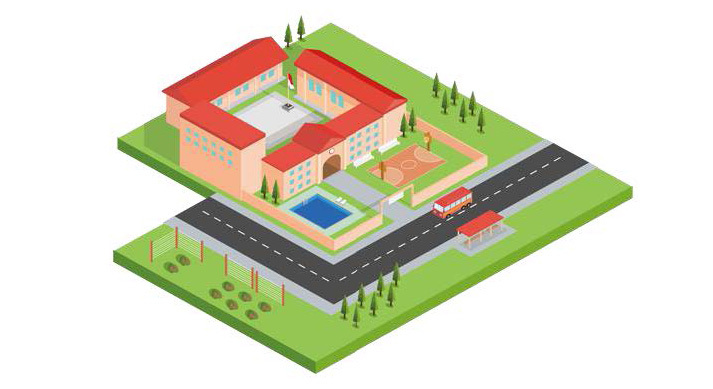
Use the Internet of Things + Internet technology to comprehensively improve the data interaction ability between various objects, events, personnel and systems in the campus, and provide personalized, personalized, Refined and intelligent management and services. At the same time, the smart campus application management platform of data fusion changes the traditional chimney-shaped system construction mode in the past, so that the service application of smart campus can continue to innovate and develop.
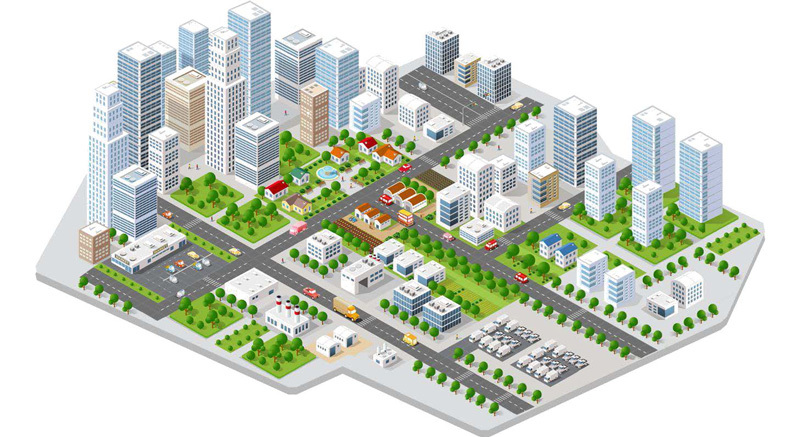
The park is the carrier of work and life, the core of economic development, and the foothold to build an intelligent world where everything is connected. The informatization of traditional parks is often the construction of isolated chimney-type subsystems, data is not interoperable, and business integration is difficult. For a long time, it faces pain points such as poor service experience, weak comprehensive security, low operational efficiency, high management costs, and difficult business innovation.
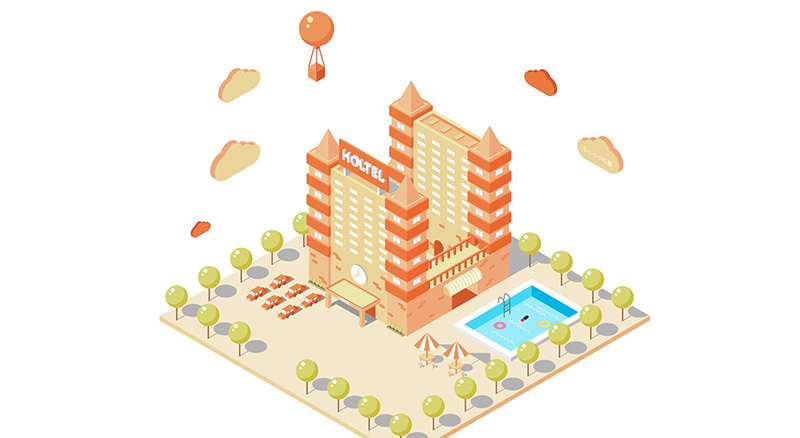
An innovative breakthrough in the contemporary service industry is to realize "personalized service". If the hotel industry wants to maintain strong and lasting competitiveness, it must reduce operating costs, continuously innovate operating models, and use intelligent technology to provide customers with differentiated services to meet the diverse and personalized needs of consumers.

Shenzhen Tengsai Industrial Development Co., Ltd.
Shenzhen Tengsai Zhijian Co., Ltd.
Marketing:135 0288 7295
After-sales service:135 0289 7065
Project Management:181 2458 8668
Quality Complaint:153 2373 0256
Add: room 601-602, e-commerce building, No. 16, Longsheng Road, Longxin community, Baolong street, Longgang District, Shenzhen, Guangdong Province
About Us
Follow Us